noindex: true
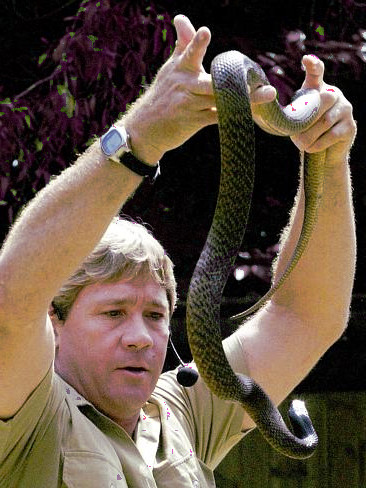
Steve Irwin, known worldwide as the "Crocodile Hunter," fundamentally changed how people think about wildlife. While crocodiles dominated his television persona, Irwin's profound respect for snakes was equally significant. Through charisma, genuine passion, and uncompromising dedication to conservation, he transformed snakes from feared pests into respected members of natural ecosystems. His legacy continues to influence wildlife conservation, education, and snake safety awareness globally.
Steve's Early Passion for Wildlife
Born in 1962, Steve Irwin grew up at his family's Queensland Reptile and Fauna Park. From childhood, he was immersed in reptile handling, conservation philosophy, and the delicate balance of ecosystems. His parents, Bob and Lyn Irwin, instilled an ethic of respect for all living things and a commitment to protecting habitats. These values became the foundation of everything Irwin would accomplish in his career.
When he took over the family park in 1992, Irwin transformed it into a world-class conservation facility. The park wasn't just an attraction—it was a platform for education and research. He personally handled hundreds of snakes, from venomous elapids to harmless pythons, always emphasizing their ecological importance and biological complexity.
The Fearless Educator
Irwin's revolutionary approach to wildlife education was revolutionary for his time. Rather than presenting snakes as dangerous adversaries to be feared or destroyed, he showed them as intelligent, purposeful animals with specific behaviors and survival strategies. His television programs, beginning with "The Crocodile Hunter" in 1997, brought this message to millions of homes worldwide.
In each encounter with a snake—whether an inland taipan or a diamond python—Irwin explained the animal's behavior, habitat preferences, and ecological role. He demonstrated proper handling techniques while consistently emphasizing safety: never approach a wild snake, always maintain distance, and call professionals when wildlife intersects with human spaces. That educational approach has likely prevented countless unnecessary snake killings and human injuries.
Snake Awareness and Myth Debunking
A cornerstone of Irwin's mission was dispelling common snake myths. Myths about triangular heads indicating venom, bright colors signaling danger, or snakes being inherently aggressive—Irwin methodically dismantled these misconceptions through demonstration and explanation.
He showed audiences that:
- Most snakes actively avoid humans
- Defensive behavior occurs only when snakes feel cornered or threatened
- Snakes have important ecological roles, controlling rodent populations and serving as prey for larger predators
- Bites almost always occur when humans attempt to handle, capture, or kill snakes
- Professional removal is the safe, humane approach to wild snake encounters
This educational shift was profound. Entire communities began treating snakes differently—with respect rather than reflexive fear.
Conservation Philosophy and Wildlife Warriors
In 2001, Steve and Terri Irwin founded Wildlife Warriors, a conservation organization focused on habitat protection, species preservation, and wildlife education. Rather than operating in isolation, Wildlife Warriors partnered with local communities, governments, and research institutions.
Their work directly supported:
- Habitat restoration in Australian reptile ecosystems
- Research into endangered species and snake conservation
- Community education programs in remote and urban areas
- Training of local rangers and conservation workers
- International reptile protection initiatives
The organization demonstrated that conservation isn't solely about individual animals—it's about preserving entire ecosystems. Snakes benefit from protected forests, clean waterways, and abundant prey species. Irwin's approach recognized these interconnections.
Impact on Herpetology and Research
By bringing snake education to mass audiences, Irwin significantly impacted herpetology. Increased public interest translated into:
- Greater funding for reptile research
- Stronger legal protections for native species
- More universities establishing herpetology programs
- Increased recruitment of young scientists
- Better public support for habitat protection policies
Scientific understanding of snakes—their behavior, reproduction, diet, and ecological roles—accelerated during the Irwin era.
Australian Cultural Icon
Beyond conservation, Irwin became a global ambassador for Australian wildlife and culture. He embodied enthusiasm, courage, and genuine care for animals. His khaki uniform and infectious catchphrases became instantly recognizable. More importantly, he made it culturally acceptable—even admirable—to be passionate about reptiles.
His influence reached children and adults who might never have developed interest in wildlife otherwise. Schools incorporated his videos into science curricula. Families discussed snake encounters at dinner tables with less fear and more understanding.
Tragedy and Continuing Legacy
Steve Irwin died in 2006 following a stingray barb to the chest while filming a documentary. His sudden death shocked the world and highlighted the risks he willingly took to educate audiences. Rather than tarnish his legacy, his passing solidified his status as a dedicated conservationist who lived by his principles.
The Irwin family has continued his mission. Terri Irwin, along with their children Robert and Bindi, maintain Australia Zoo, Wildlife Warriors, and active conservation programs. They have sustained the educational focus and expanded snake conservation initiatives.
Lessons for Modern Snake Coexistence
Irwin's philosophy remains urgently relevant. In Australia, including Brisbane's northern suburbs, snakes continue to enter human spaces. Emergency Snake Removal and other professional services exist because humans must sometimes intervene. However, Irwin would emphasize prevention and respect:
- Secure your property to discourage snakes from entering
- Educate family members about snake safety
- Contact professionals rather than attempting removal
- Understand why snakes appear (searching for food, shelter, or mates)
- Respect snakes as native wildlife with legitimate ecological roles
For Brisbane residents, Snake Catcher Brisbane North provides the professional, humane approach Irwin would have endorsed.
Final Reflection
Steve Irwin's legacy extends far beyond television ratings or entertainment. He fundamentally changed human attitudes toward snakes and reptiles. He proved that education, passion, and respect can override fear and indifference. His message—that snakes are vital, misunderstood, and worthy of protection—resonates more strongly today as biodiversity loss accelerates.
By remembering and honoring Irwin's contributions, we commit to continuing his work: protecting habitats, educating communities, and treating all wildlife—including snakes—with the respect they deserve. That is the true legacy of the Crocodile Hunter.