Living in Brisbane North means sharing the environment with wildlife, and snakes are a natural part of that ecosystem. The good news is that most snake encounters are preventable. Snake-proofing is not about creating a fortress — it is about removing the things that attract snakes and blocking the easy access points they use. When you manage shelter, food, and entry points, you drastically reduce the chance of an unwanted visit.
Brisbane North seasonal context: Snake activity in this region peaks from October through March, with encounters increasing sharply from late September as temperatures climb. The highest-risk period for finding a snake inside a structure is typically November to February. If you are going to do one round of property preparation, aim to complete it by the end of September — before activity peaks. A second check in February–March catches any issues that developed over summer.
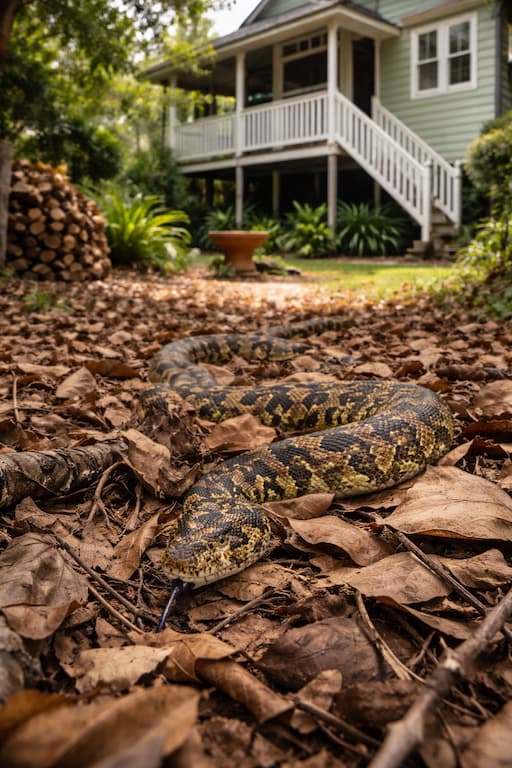
Below is a practical checklist you can apply at home without overhauling your property. If you want to understand why snakes are drawn to certain yards in the first place, read Why Snakes Enter Homes for a helpful overview.
1) Remove Shelter and Hiding Spots
Snakes feel safest when they can move under cover. Long grass, dense groundcover, stacked timber, and unused garden items create ideal shelter.
- Keep lawns short and edges trimmed.
- Elevate firewood and store it neatly.
- Reduce thick mulch piles and leaf litter.
- Clear clutter from under decks, around sheds, and along fences.
If you keep a rock garden, make sure it isn’t creating a maze of hidden cavities. Rock walls can be beautiful, but they also hold heat and hide prey—two things snakes love.
2) Cut Off Food Sources
Snakes follow prey. If your yard attracts rodents, frogs, or lizards, it can attract snakes too.
- Store pet food indoors or in sealed containers.
- Clean up fallen fruit that attracts pests.
- Keep compost bins sealed.
- Address rodent activity promptly (snakes are excellent pest controllers, but that’s not the kind of service you want in your backyard).
For a deeper look at snakes and pest control, see Snakes and Pest Control.
3) Seal Entry Points Properly
Snakes can squeeze through surprisingly small gaps — an eastern brown adult can fit through an opening as narrow as 6mm. Walk the perimeter of your home and look for openings around doors, vents, pipes, and weep holes.
- Install door sweeps on all external doors (the gap under a standard door is typically 10–20mm — more than enough for a small snake).
- Use 6mm or finer galvanised mesh on vents and weep holes. Coarser mesh (10mm+) will not reliably exclude snakes.
- Seal gaps around plumbing and cable entry points with appropriate filler or escutcheon plates.
- Repair damaged screens and ensure fly screen frames are tightly fitted.
These small upgrades are often the biggest difference between “occasional yard sightings” and “snake inside the house.”
4) Secure Under‑House Areas
Queensland homes often have crawl spaces, which provide ideal shelter. Use secure mesh to block access and keep vegetation trimmed so snakes can’t climb or hide along the edges.
If you live in a high‑risk area, a professional inspection can identify vulnerabilities you might miss. The Snake Catcher Brisbane North service page explains how local experts evaluate properties for safety.
5) Manage Water and Irrigation
Water sources attract frogs and small animals. If you have a pond, water feature, or even regular irrigation, keep surrounding vegetation tidy and remove excess hiding spots nearby.
Make sure drainage areas are not overgrown or cluttered—these zones often become natural corridors for wildlife movement.
6) Consider Snake‑Smart Fencing
Snake‑proof fencing can work in targeted zones, but only when installed correctly. It must be smooth, have no gaps, and be buried or angled to prevent snakes from pushing under it. For many homes, the best approach is to fence specific zones (like a dog run or kids’ play area) rather than the entire property.
If you’re unsure, ask a professional before investing—poorly installed fencing can give a false sense of security.
7) Train the Household
Snake‑proofing isn’t just structural—it’s behavioral. Teach family members:
- Don’t approach or corner a snake.
- Keep pets away from long grass and rock walls.
- Wear closed shoes and long pants when gardening.
For quick reference, Snakebite First Aid is a must‑read for every household in snake‑active areas.
8) Know When to Call for Help
If a snake is inside, near pets, or in a high‑traffic area, don’t attempt to move it. This is when professional removal is safest for everyone involved. For urgent situations, Emergency Snake Removal outlines how a licensed catcher responds.
If you’re curious about costs and what a callout involves, Snake Removal Cost breaks it down in plain language.
TLDR
Snake‑proofing works best when you reduce shelter, limit prey, and seal access points. Keep yards tidy, store food securely, clear clutter, and use mesh to block gaps and vents. Focus on prevention first, and call a professional if a snake appears in a risky location. These steps protect your household while allowing local wildlife to stay where it belongs—out in the bush, not under your porch.