Intro
Camping in snake country is one of Queensland’s best experiences, but it pays to be prepared. Snakes are part of the landscape, and most encounters happen because people accidentally get too close. With the right planning and habits, you can keep your trip safe while still enjoying the outdoors.
Below is a practical checklist tailored to campers in snake‑active areas around Brisbane North and beyond. If you want a refresher on local identification, start with How to Identify Snakes in Your Yard.
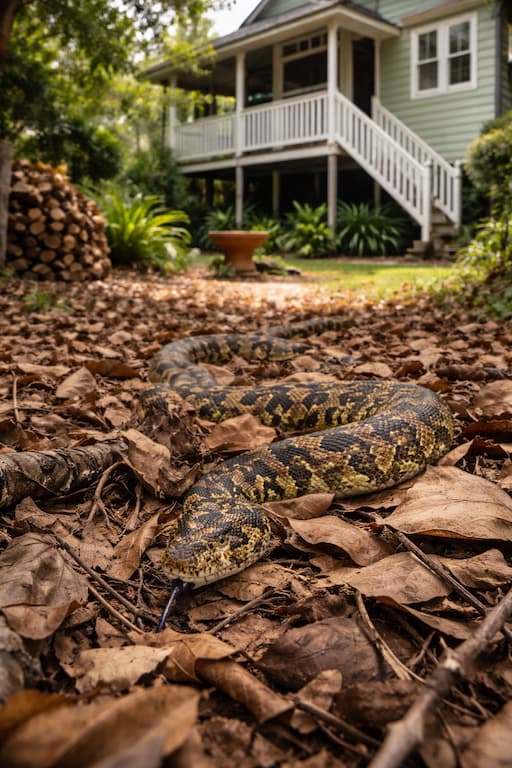
1) Plan the Location and Timing
Where you camp matters. Snakes love warm, sheltered terrain and areas with water and prey.
- Choose well‑maintained campsites with open ground and short vegetation.
- Avoid camping right beside water or dense creek banks.
- Check seasonal activity; snake movement increases in warmer months and after rain.
If you’re camping during peak activity and want extra peace of mind, it’s worth planning a route with quick access to roads and help if needed.
2) Set Up a Snake‑Smart Campsite
The goal is to reduce hiding places and make your area less attractive to wildlife.
- Keep tents on clear ground, not in long grass or thick leaf litter.
- Store gear zipped and elevated when possible.
- Shake out boots, sleeping bags, and clothing before use.
- Use a groundsheet to add a barrier between you and the ground.
Think of your campsite like a mini home. The same logic in Snake Proof Your Home applies—remove shelter, reduce food, and limit access.
3) Handle Food and Waste Carefully
Snakes follow prey, and prey follows food waste.
- Store food in sealed containers.
- Clean up spills and scraps immediately.
- Dispose of rubbish properly or pack it out.
This reduces rodents and small animals, which are the real attractants.
4) Dress and Move Safely
Most bites occur on feet and ankles. Simple precautions go a long way.
- Wear closed, sturdy footwear.
- Consider gaiters if you’re hiking through long grass.
- Use a torch at night, even around camp.
- Stick to well‑used trails and avoid stepping over logs or rocks without checking.
5) What to Do If You See a Snake
Stay calm. Give it space, and let it move away. Never try to catch or kill it. Most snakes will retreat if you don’t block their exit.
If a snake is near your camp and won’t move, keep your distance and contact a professional if you’re in a staffed camping area or near towns. For urgent assistance back in Brisbane North, 24/7 Snake Catcher Brisbane is the local option when you return or if you’re camping nearby.
6) Know Your First Aid Before You Leave
First aid knowledge is non‑negotiable in snake country. If a bite occurs:
- Apply pressure immobilisation with a broad bandage.
- Keep the patient still and calm.
- Call emergency services immediately.
Review Snakebite First Aid before your trip so you’re not learning under stress.
7) Pack a Smart Safety Kit
Include a pressure bandage, antiseptic wipes, a torch, spare batteries, and a communication device (satellite phone or PLB if remote). A phone with offline maps can also help you navigate to the nearest access point.
8) Respect Wildlife and the Environment
Snakes are vital for ecosystem balance. They control rodents and other pests, which is why they’re present in healthy bushland. If you want a broader ecological perspective, Snakes in the Ecosystem is a worthwhile read.
9) After the Trip: Check Gear and Clothes
Before you pack up, shake out gear and clothing. Snakes occasionally shelter under warm items left on the ground, especially at night.
TLDR
Snake‑safe camping is about preparation, not panic. Choose open campsites, keep gear off the ground, store food securely, wear protective footwear, and use light at night. If you see a snake, give it space. Know first aid before you go, and treat snakes as the important wildlife they are. Smart habits keep everyone safe—including the snakes.