Prologue
Snakes appear in human stories everywhere people live alongside them. Across continents, they can represent healing, danger, wisdom, protection, temptation, and transformation—all at once. These symbols aren’t random: they grow from real encounters with animals that are powerful, quiet, and often misunderstood. In this article, we explore a range of snake‑related folklore and superstitions, and why these stories still matter today.
Snakes in Mythology and Symbolism
Ancient Egypt
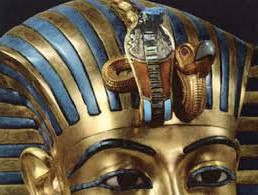
In ancient Egypt, the uraeus—a rearing cobra—adorned the crowns of pharaohs as a symbol of divine authority and protection. The serpent was not only a guardian but also a marker of power. The ouroboros, a snake eating its own tail, expressed cosmic cycles and the idea of renewal, a theme echoed in natural processes like snake skin shedding.
Hinduism and South Asia
In Hindu traditions, the nagas are semi‑divine serpents linked to water, fertility, and protection. Lord Shiva is often depicted with a cobra around his neck, a symbol of control over fear and death. These stories show the snake as both dangerous and sacred—a duality that appears across many cultures.
Norse Mythology
Norse stories include Jörmungandr, the Midgard Serpent that encircles the world. Its position suggests balance and tension: if the serpent moves, the world trembles. It’s a cosmic threat, but also a cosmic boundary—a reminder that nature has limits and power.
Mesoamerican Traditions
In Mesoamerica, feathered serpents like Quetzalcoatl blend the sky and earth, symbolizing knowledge, creation, and transformation. The combination of bird and serpent reflects two worlds—air and ground—linked by a single, sacred figure.
Folklore and Superstitions Around the World
Mediterranean “Evil Eye” Beliefs
In parts of the Mediterranean, snakes are tied to the evil eye because of their gaze and stillness. The belief isn’t really about snakes themselves, but about the power of looking—how attention can bless or curse. The snake’s stare becomes a metaphor for hidden intent.
Western Folklore and the Forked Tongue
In Western tales, the forked tongue is often used as a symbol of deceit. The reality—snakes use their tongues to “smell” the air—gets lost in metaphor. Over time, the snake becomes a cautionary figure: clever, silent, and untrustworthy. It’s a cultural story more than a biological truth.
East Asia and the Zodiac
In Chinese tradition, the snake is one of the zodiac animals and often represents wisdom, intuition, and grace. Yet it can also signify danger or mystery. This balanced view—admiration mixed with caution—mirrors how people actually live alongside snakes.
African Traditions
Many African cultures regard snakes as symbols of fertility, rain, or ancestral guardianship. In other contexts they are feared as agents of witchcraft. These differences aren’t contradictions; they reflect local experiences and the power of the snake to embody both life and risk.
Why These Stories Persist
Folklore works because it makes sense of what feels uncertain. Snakes slip through grass without sound, vanish into cracks, and appear where they weren’t a moment ago. That mystery generates stories. As people observed real snakes—dangerous but essential for ecosystem balance—those observations became the foundation for layered meanings.
Modern storytelling continues that tradition. If you want a broader look at serpent imagery in art and culture, Snake Art and Symbolism is a great companion read.
The Australian Context
In Australia, snakes are part of everyday reality and cultural storytelling. Many local beliefs emphasize respect and caution rather than fear. This is especially true in communities that share space with wildlife year‑round. These attitudes align with practical safety: don’t corner a snake, give it a clear escape path, and call a professional if it’s in a risky area.
For Brisbane North residents, knowing who to call makes all the difference. The Snake Catcher Brisbane North service page explains how licensed handlers safely relocate snakes with minimal stress to the animal.
If a snake is in a high‑risk location—inside a house, near pets, or in a busy outdoor area—Emergency Snake Removal outlines what to do and what to expect.
Folklore vs. Reality: A Helpful Balance
Stories can inspire awe, but they can also create unnecessary fear. The most helpful approach is to hold both: respect the animal’s power while understanding its behavior. Snakes aren’t evil or magical, but they are wild and should be treated carefully. That perspective bridges folklore with modern safety.
If you’re curious about why snakes appear around homes and what drives their movement, Why Snakes Enter Homes offers a practical, grounded explanation.
TLDR
Snake folklore reflects centuries of close, cautious coexistence. Across cultures, serpents symbolize renewal, power, danger, wisdom, and protection. These stories endure because they echo real observations of an animal that is both beautiful and formidable. Respect the myths—but also respect the real snake in front of you. Give it space, keep calm, and call a professional when needed.