How Snakes Shed Their Skin
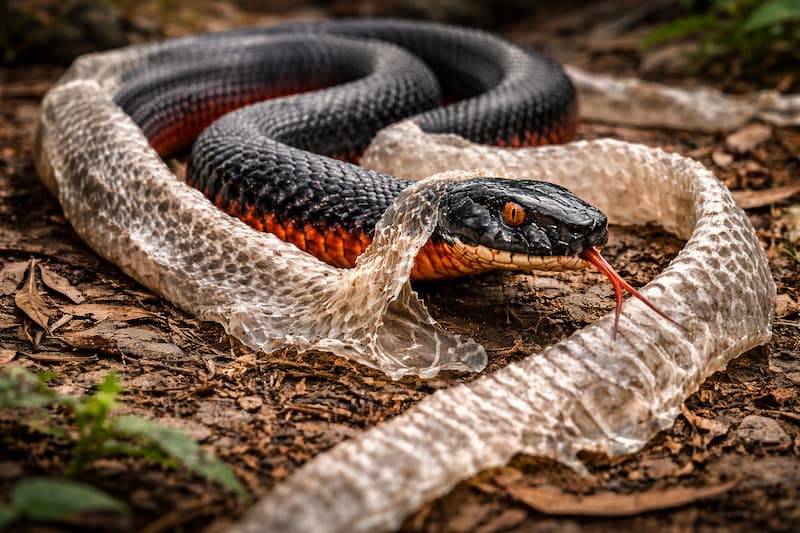
Snake skin shedding, or ecdysis, is one of the most visible and fascinating parts of a snake’s life. It’s not just a “cosmetic” change—it’s a crucial biological process that keeps snakes healthy, helps them grow, and removes parasites. If you’ve ever found a perfect, inside‑out snake skin in the garden, you’ve seen the end result of a carefully timed, complex process.
Understanding shedding helps explain seasonal behavior and why snakes sometimes appear sluggish or defensive. It also helps Brisbane North residents recognize when a snake is vulnerable and should be given extra space.
Why Do Snakes Shed Their Skin?
Snakes grow throughout their lives, but their outer skin doesn’t stretch in the same way mammal skin does. Shedding allows them to replace old, tight skin with new, flexible skin. It also:
- Removes parasites like ticks and mites.
- Repairs minor abrasions and damage.
- Restores vision clarity after the eyes cloud over.
Shedding is tightly linked to growth and the life cycle of snakes. Young snakes may shed several times a year, while adults typically shed less often.
The Shedding Timeline (Step by Step)
1) Pre‑Shed Phase (“Blue Phase”)
In the days leading up to a shed, a snake’s skin becomes dull and its eyes turn cloudy or bluish. This happens because a fluid layer forms between the old and new skin. Vision becomes blurry, and snakes may hide more and eat less. This is when they’re more likely to feel threatened.
2) Separation of Old and New Skin
Enzymes and fluid loosen the old skin, preparing it to peel away in one piece. The snake looks faded and sometimes appears “dusty.”
3) The Split and Peel
When the time is right, the snake rubs its head on rough surfaces (rocks, bark, concrete) to create a tear near the mouth. Then it crawls forward, peeling the skin backward and inside‑out like a sock. The process can take minutes to hours.
4) Fresh Skin Revealed
After shedding, the new skin looks glossy and vibrant. The eye caps clear, and the snake’s vision returns to normal.
Why Shedding Matters for Safety
During the blue phase, snakes can’t see well. That means they may startle easily and become defensive. If you notice a dull, cloudy‑eyed snake in your yard, give it space and avoid sudden movement. It’s not aggressive—it’s vulnerable.
If a snake is in a risky location (near doors, pets, or play areas), contact a professional. The Snake Catcher Brisbane North page outlines safe local support. For urgent situations, Emergency Snake Removal explains what to do immediately.
Signs a Shed Didn’t Go Well
Most wild snakes shed cleanly, but sometimes the process fails. Warning signs include:
- Retained eye caps (cloudy eyes that don’t clear).
- Patchy or stuck skin along the tail or body.
- Repeated rubbing or agitation after shedding.
In the wild, poor shedding often indicates dehydration, illness, or unsuitable habitat. It’s one more reason to keep natural environments healthy and undisturbed.
Shedding and Local Encounters
Shedding can happen any time of year, but it’s more common during warm seasons when snakes are active and growing. If you find a shed skin, it doesn’t mean a snake is still nearby—but it does mean the area provides shelter and food. If you want to reduce visits, the prevention checklist in Snake Proof Your Home is a practical next step.
The Symbolism of Shedding
Across cultures, shedding is often seen as a symbol of renewal and transformation. That symbolism isn’t just poetic—it reflects a real biological reset. If you’re curious about how cultures interpret the serpent in art and myth, see Snake Art and Symbolism.
TLDR
Shedding is a vital part of a snake’s health and growth. During the pre‑shed “blue phase,” snakes are vulnerable and may act defensively because they can’t see well. Give them space, avoid disturbance, and call a professional if one appears in a risky area. A shed skin is a sign of nearby habitat—but with good yard management, you can reduce future visits.