Where Snakes Hide in North Brisbane
Brisbane’s northside is known for leafy streets, bushland reserves, and relaxed outdoor living. The same features that make suburbs like Enoggera, The Gap, Ferny Hills, Everton Park, Upper Kedron, and Arana Hills so appealing can also attract snakes. These animals aren’t “invading” properties at random. They follow food, shelter, and safe movement corridors.
Learning to identify snakes and understanding what draws them in is one of the best ways to reduce unwanted encounters. If you do find a snake in a risky spot, keep your distance and call a licensed Snake Catcher Brisbane North. For urgent situations, Emergency Snake Removal is the safest option.
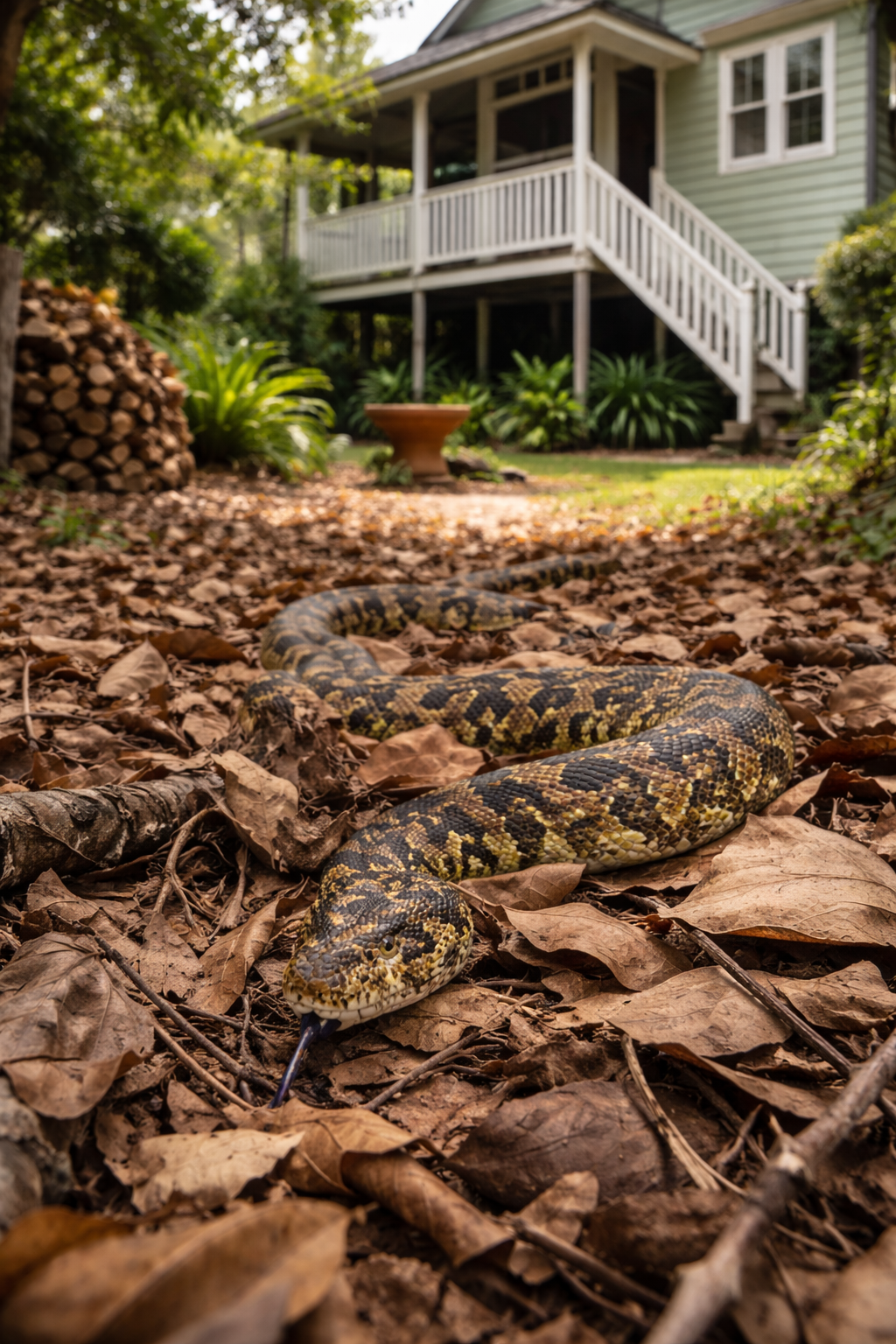
1) Overgrown Lawns and Long Grass
Tall grass offers concealment for snakes and the prey they hunt. It also reduces visibility, increasing the chance of surprise encounters. Keeping lawns trimmed—especially along fence lines, garden edges, and shed access paths—removes key hiding opportunities.
2) Dense Garden Beds and Ground Cover
Thick mulch, ground‑hugging plants, and dense shrubs create cool, shaded refuges during hot weather. Regular pruning and thinning improves airflow and reduces shaded pockets right against walls and entry points.
3) Timber Piles and Firewood Stacks
Wood stacks provide warmth and shelter, and they attract rodents. Keep firewood raised, tidy, and positioned well away from the house. A covered rack is better than a loose pile on the ground.
4) Rock Walls and Retaining Walls
Gaps between rocks form stable, insulated hiding spots. If you have retaining walls, keep surrounding vegetation trimmed and avoid stacking garden materials against them.
5) Garden Debris and Leaf Litter
Piles of leaves, branches, and garden waste create ideal cover for snakes and frogs. Regularly clearing debris makes the yard less attractive and easier to scan.
6) Outdoor Water Sources
In warm months, snakes seek water and the frogs that gather there. Common attractors include bird baths, ponds, leaking taps, and pet bowls. Fix leaks promptly and empty pet bowls overnight to reduce activity.
7) Gaps Under Decks, Sheds, and Houses
Cool, sheltered voids are prime daytime resting sites. Where practical, seal gaps or install mesh barriers. Keep stored items tidy so you can see under structures.
8) Rodent Activity
Rodents are a key food source, so their presence often predicts snake activity. Secure rubbish, clean up fallen fruit, and avoid leaving pet food outside overnight. Practical steps in Snake Proof Your Home can reduce both rodents and snake visits.
9) Bushland Edges and Creek Lines
Homes bordering reserves or creek corridors naturally see more wildlife movement. Keeping fence lines clear and trimming overgrowth helps reduce easy access, although it won’t eliminate risk entirely.
10) Warm Surfaces and Sunny Basking Spots
Snakes are cold‑blooded and often bask on warm concrete, pavers, and rock features in the morning. Awareness is key—check sunny areas before mowing, gardening, or letting pets out.
What to Do If You Find a Snake
If you spot a snake in your yard:
- Stay calm and give it space.
- Keep kids and pets inside or well away.
- Never attempt to move or kill the snake.
- Call a licensed professional if it’s in a risky location.
If you’re unsure about costs, snake removal cost explains what to expect. Professional removal protects both people and wildlife and keeps your property compliant with Queensland regulations.
Reducing Risk Without Eliminating Nature
Snakes are part of Brisbane’s natural environment and play a role in keeping rodent numbers in check. The goal isn’t to remove wildlife from the landscape; it’s to make residential areas less attractive for snakes to linger. Regular yard maintenance, good storage practices, and prompt response to sightings can make a major difference.
Final Thoughts
North Brisbane’s outdoor lifestyle comes with close contact with nature. By identifying snake‑friendly features and managing them, you reduce the chance of a surprise encounter while respecting the local ecosystem. And if a snake does appear, professional help ensures a safe outcome for everyone involved.