Keeping Snakes as Pets in Brisbane, Queensland: A Responsible Guide
Keeping snakes as pets in Brisbane has become more common as reptile keeping grows across Queensland. The warm climate, active herpetology community, and clear licensing rules make it easier to get started responsibly. Still, snake ownership is a long-term commitment that requires legal compliance, careful setup, and respect for wildlife.
This guide covers the essentials for Brisbane residents: legal requirements, suitable species, housing, feeding, health care, and ethical responsibilities. If you have a wild snake on your property, use a licensed catcher rather than attempting to handle it yourself. For urgent situations, see our emergency snake removal service.
Understanding the Legal Requirements in Queensland
In Queensland, native snakes are protected under the Nature Conservation Act 1992. You cannot take a snake from the wild and keep it as a pet. To own a snake legally, you need a Queensland Recreational Wildlife Licence (RWL).
Beginners typically start with a Recreational Wildlife Licence (Reptile and Amphibian - R1 or R2) for approved non-venomous species. More advanced licences are required for additional species or larger collections.
Snakes must be:
- Purchased from a licensed breeder
- Individually recorded on your licence
- Kept in secure, escape-proof enclosures
- Never sold, traded, or given away without proper documentation
Failure to comply can lead to fines and confiscation, so follow the rules closely.
Popular Pet Snake Species in Brisbane
Queensland's climate suits many Australian python species, which can thrive in captivity when cared for correctly.
Children's Python (Antaresia childreni) Small, calm, and beginner-friendly. Adults usually reach 1 to 1.2 metres, making them suitable for modest enclosures.
Spotted Python (Antaresia maculosa) Hardy, attractive, and generally docile. They adapt well to captivity and are common in Brisbane collections.
Carpet Python (Morelia spilota) Captive-bred carpet pythons can make excellent pets for experienced keepers. They grow larger and need more space and confident handling. If you need help with a wild carpet python on your property, see our carpet python removal page.
Venomous snakes (brown snakes, taipans, tiger snakes) are not suitable for private pet ownership and require specialist permits that are rarely granted.
Housing and Enclosure Setup
Proper housing is one of the most important parts of snake care. A well-designed enclosure keeps your snake healthy, secure, and stress-free.
Key enclosure features include:
- A secure, lockable enclosure made of glass, PVC, or melamine
- Appropriate ventilation
- At least two hiding spots (warm and cool ends)
- Climbing branches for semi-arboreal species
- A stable water bowl large enough for soaking
Temperature control is critical. Brisbane's climate helps, but supplemental heating is still required. Most pythons need:
- A basking area around 30-32C
- A cooler zone around 22-25C
- A clear temperature gradient
Heat mats, ceramic heat emitters, or radiant heat panels are common, always controlled by thermostats to prevent burns.
Feeding and Nutrition
Pet snakes in Brisbane are typically fed frozen-thawed rodents, which are safer and more humane than live prey. Feeding frequency depends on age and size:
- Juveniles: every 5-7 days
- Adults: every 10-14 days
Prey should be roughly the same width as the thickest part of the snake's body. Overfeeding can lead to obesity and health issues.
After feeding, snakes should not be handled for at least 48 hours to prevent regurgitation.
Handling and Temperament
Most captive-bred pythons are calm and tolerate gentle handling. Regular, slow interaction helps snakes become accustomed to human presence. For safe practices, see our guide to handling snakes.
When handling:
- Always support the snake's body
- Avoid sudden movements
- Never handle during shedding or immediately after feeding
- Wash hands before and after to prevent disease transfer
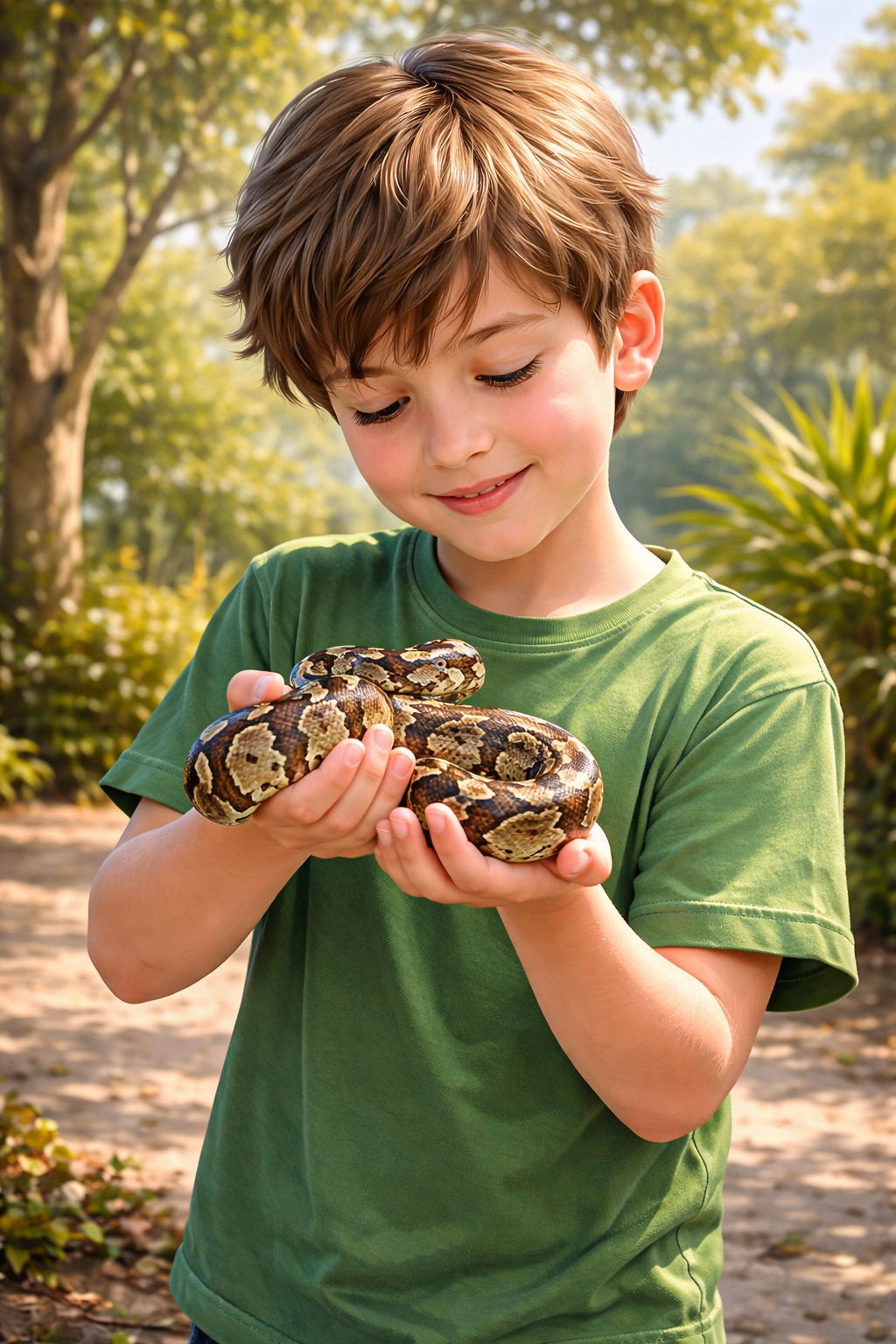
Children should only handle snakes under adult supervision, and education should come before interaction.
Health and Veterinary Care
Reptiles need specialized veterinary care. Brisbane has exotic and reptile-experienced vets, and you should locate one before acquiring a snake.
Common health issues include:
- Respiratory infections
- Mites
- Scale rot
- Poor shedding due to incorrect humidity
Regular enclosure cleaning, correct temperatures, and quarantine for new animals reduce health risks.
Ethical and Safety Considerations
Owning a snake comes with responsibility to both the animal and the community. Never release captive snakes into the wild; it is illegal and can harm ecosystems.
In Brisbane suburbs, snake ownership should not interfere with professional snake catchers, who are essential for relocating wild snakes that enter homes. If you need help with a wild snake or want a price guide, see our snake removal cost page.
Is Keeping a Snake Right for You?
Snakes are quiet, low-odour pets that can live 20-30 years. They are ideal for people who enjoy observation rather than constant interaction. They are not low-commitment pets, so licensing, setup costs, and long-term care should be considered carefully.
For Brisbane residents willing to learn, comply with regulations, and respect wildlife, keeping a snake can be a rewarding and educational experience.