Snake Catcher Clontarf
Professional snake removal and safety advice for Brisbane's Clontarf suburb.
About Clontarf
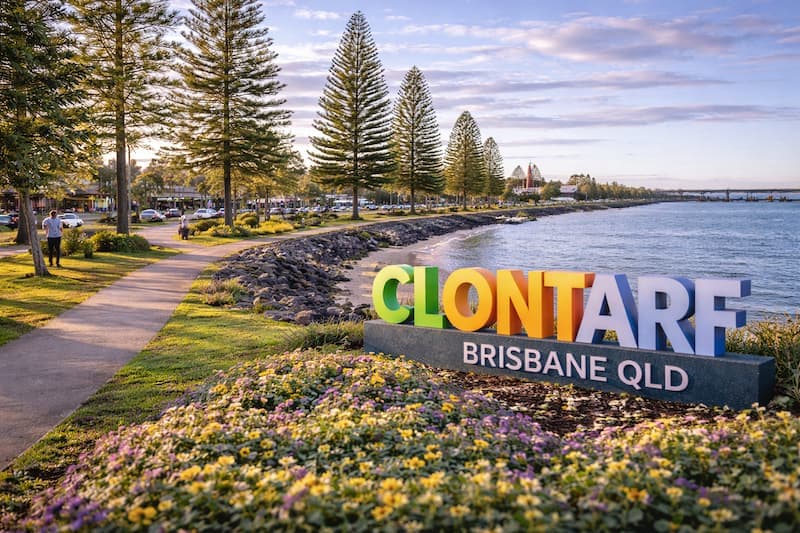
Clontarf is an established suburb on the Redcliffe Peninsula, where the coastal position creates a distinctive snake environment shaped by Bramble Bay wetlands, tidal drainage channels, and the mangrove-fringed foreshore. The peninsula geography means snakes have limited dispersal options — those that colonise the coastal scrub and wetland vegetation tend to remain within the peninsula and move through garden corridors rather than leaving the area. Older established homes in Clontarf typically have large gardens, mature trees, and accumulated ground cover that replicates bushland conditions. The suburb's waterfront position and tidal drainage system support red-bellied black snakes alongside the eastern brown and carpet python populations that characterise the rest of the peninsula.
Common Snake Species in Clontarf
Carpet Python (Non-Venomous)
Among the most common snakes found in Clontarf residences and structures. Carpet pythons are non-venomous constrictors with a calm and docile nature. They frequently shelter in roof spaces, sheds, garages, and around garden areas throughout the suburb.
Identification: Distinctive banding with yellow, cream, or dark bands. Medium to large size (1.5-2 meters).
Eastern Brown Snake (Venomous)
Highly venomous snakes commonly found in Clontarf's open areas and gardens. They are active hunters, particularly during warmer months, and can be quick-moving and defensive if threatened or surprised.
Identification: Uniform brown, tan, or reddish coloration. Slender body, medium size.
Red-Bellied Black Snake (Moderately Venomous)
Shy snakes that prefer areas with water and vegetation. Generally non-aggressive and won't move away if given space. Encountered in Clontarf gardens, parks, and areas near water features.
Identification: Shiny black upper body with distinctive red or orange belly. Medium-sized.
Common Tree Snake (Non-Venomous)
Small, slender snakes found in gardens and vegetation in Clontarf. Non-venomous and harmless, though sometimes mistaken for venomous species by those unfamiliar with identification.
Identification: Pale green, brown, or gray coloring. Small and slender body, typically less than 1 meter long.
Snake Safety Tips for Clontarf Residents
Prevention Around the Home
- •Keep grass mowed short and clear ground cover
- •Seal gaps around sheds, decking, and structures
- •Secure pet food and remove rodent sources
- •Store materials and firewood off the ground
- •Install mesh screens on doors and windows
If You Encounter a Snake
- •Maintain a safe distance (at least 2 meters away)
- •Move away slowly and calmly
- •Never handle or attempt to kill the snake
- •Move family and pets away immediately
- •Contact a licensed professional right away
Professional Snake Removal in Clontarf
If a snake appears on your property, do not attempt to handle it yourself. Our professional team provides safe, humane removal and relocation services for all species found in Clontarf.
Get Professional Help Now
We service Clontarf and surrounding Brisbane North suburbs with rapid response for urgent situations.
Standard Snake Removal
Snake Catcher Brisbane NorthEmergency Situations (24/7)
24/7 Snake Catcher BrisbaneUrgent Response Needed
Emergency Snake RemovalPricing Information
Snake Removal CostWhy Snakes Appear in Clontarf
Snakes in Clontarf appear for natural survival reasons. Common causes include:
- •Bramble Bay coastal wetlands and tidal drainage channels on the eastern and northern boundaries provide permanent red-bellied black snake habitat adjacent to residential gardens
- •Mangrove-fringed foreshore creates a coastal scrub zone that snakes use for cover when moving between the waterfront and inland residential streets
- •Peninsula geography limits dispersal — snakes that establish in Clontarf's vegetation tend to stay, producing higher local density than comparable mainland suburbs
- •Older established gardens with large trees, leaf litter accumulation, and deck/shed structures replicate bushland conditions and provide year-round shelter
Seasonal Snake Activity in Clontarf
Snake visibility in Clontarf follows seasonal patterns:
Spring & Summer
Snakes are most active and visible during warmer months. Increased hunting and breeding activity means more encounters. Peak season is October through April.
Autumn & Winter
Snake activity decreases in cooler months. Encounters are less frequent, though snakes may shelter in protected areas during winter.
Safe Coexistence in Clontarf
Snakes play important ecological roles in Clontarf, controlling rodent populations and maintaining natural balance. With proper prevention and professional assistance when needed, residents and local wildlife can safely coexist.
If you have concerns about snakes on your property or need immediate assistance, contact our professional team. We're here to help keep your family and local wildlife safe.